
News
Real Madrid Furious Over Refereeing Double Standards After Villarreal-Barcelona Match
MADRIDONOMY EDITORIAL TEAM · 22 DEC 2025 · 2 MIN READ
Advertisement
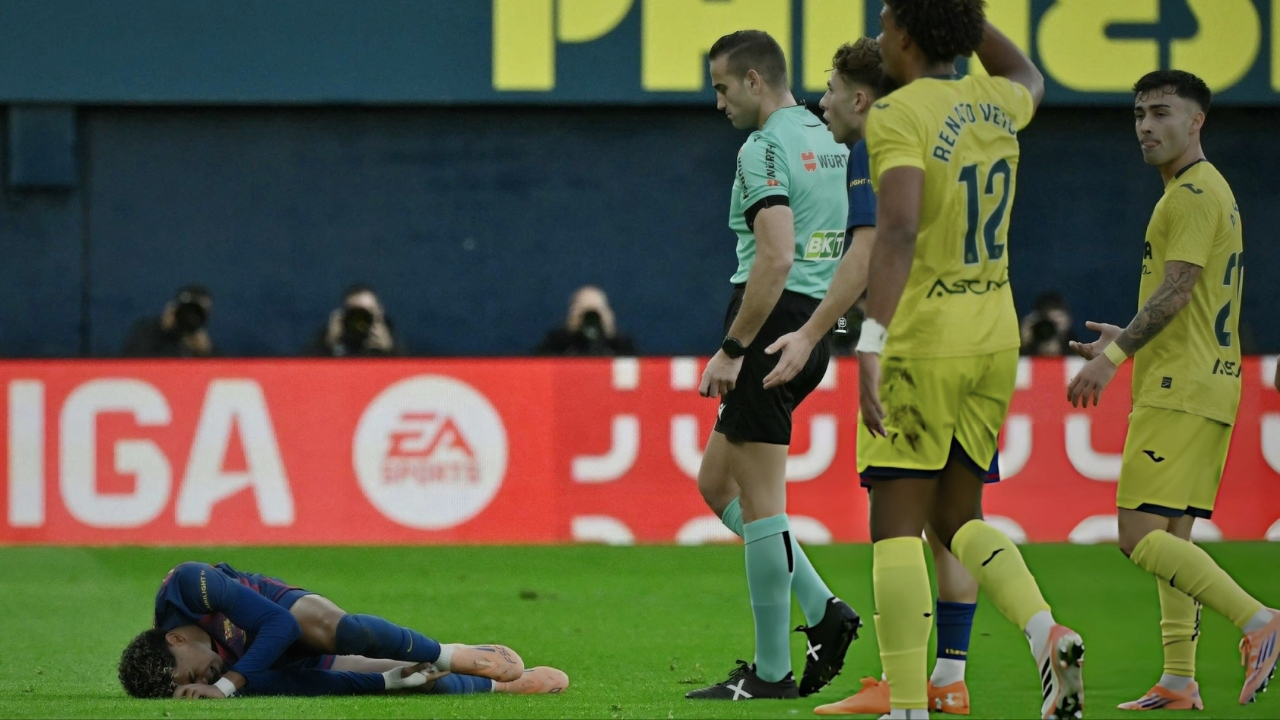
Frustration has boiled over at the Bernabéu following Sunday's match at the Estadio de la Cerámica, where referee Alberola Rojas's decisions reignited long-standing complaints about officiating inconsistency in Spanish football.
Controversial Decisions Spark Outrage
The penalty awarded to Raphinha and the dismissal of Renato Veiga represent specific flashpoints, but the broader pattern of differential treatment constitutes the real grievance. Madrid officials argue identical situations receive fundamentally different interpretations depending on the teams involved.
"Competition becomes impossible under these conditions," senior directors commented before Barcelona's match had even concluded. "What constitutes a foul, penalty, or sending-off for one team somehow doesn't apply equally to the other."
Specific Examples Fuel Conspiracy Theories
The club has compiled numerous examples supporting their position. Marcao's dangerous challenge on Rodrygo in the previous match went unpunished despite threatening serious injury. Conversely, minimal contact between Veiga and Lamine Yamal resulted in immediate dismissal.
Nine Similar Incidents Without Punishment
Internal analysis at Valdebebas has identified nine tackles on Real Madrid players matching or exceeding the Yamal incident's severity—none produced red cards. This statistical evidence reinforces perceptions of systemic bias rather than isolated errors.
The penalty decisions particularly rankle. Raphinha's tumble following contact triggered an immediate spot-kick, yet comparable incidents involving Madrid players routinely go ignored. The question being asked in Chamartín is straightforward: why does identical contact generate different outcomes based on shirt color?
The Negreira Shadow Lingers
Real Madrid's questioning extends beyond individual matches to broader structural concerns. Despite Barcelona allegedly ending payments to the referees' committee vice president years ago, suspicious patterns persist.
For nearly two decades, Barcelona transferred over €8 million to companies controlled by the Technical Committee of Referees' then-vice president, ostensibly for refereeing reports no club officials could subsequently locate. Those payments ceased, but the advantageous officiating hasn't.
Calling for Systemic Reform
The club now advocates for complete overhaul of Spanish football's refereeing structure. Until meaningful reforms materialize, suspicion will permanently cloud the committee's credibility, particularly as controversial decisions accumulate with each matchday.
Champions League Becomes Strategic Priority
Given these persistent concerns, Madrid's longstanding emphasis on European competition over domestic league success makes pragmatic sense. When the playing field feels fundamentally tilted, redirecting focus toward competitions with different officiating structures represents logical resource allocation.
The latest controversy ensures this debate will continue dominating Spanish football discourse, with Real Madrid showing no inclination to accept the status quo quietly.
Advertisement
Share this article